Driver Instructor Insight
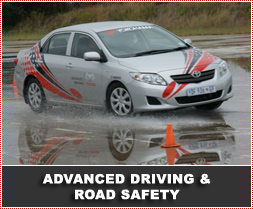
Some advice from the experts
Here are some helpful safe driving tips from professional driving instructors.
Attitude Check
Although exterior and interior checks of your car are vital, an attitude check is just as helpful in preventing accidents. A positive, pro-active attitude can really help reduce collisions. These include:
- A tolerance and consideration for other road users. Restrain yourself from reacting aggressively to another road user’s aggressive behaviour.
- A realistic view of your own driving abilities.
- Concern for your safety and that of your passengers and other road users.
Be Aware
Constantly changing conditions demand frequent alterations in course or speed. Make sure you remain aware of all other road users, including the positions of pedestrians and other vehicles, as well as the need to signal your intentions timeously. Pay attention to the road surface and weather conditions.
Urban Driving
Pedestrian traffic, vehicles moving in and out of parking bays, busses, taxis and cyclists all add to the hazards of driving in urban areas. In the absence of local knowledge, pay close attention to advanced warning/information signs.
Night Riders
Driving at night comes with its own unique set of challenges. Good, clear visibility is vital, so make sure that your windscreen is clean and that your windscreen wipers are used in wet weather. Keep your windscreen free from mist at all times.
Head and tail lights should be in good working condition with the lenses clean and headlamps properly adjusted to give a good beam ahead without dazzling other road users. It is also very important to drive at a speed at which you feel comfortable, and which will enable the vehicle to be brought to a stop within the range of the headlamps. Slow down when in dimly lit, urban areas especially.
Not A Bright Idea
Sometimes a driver will be dazzled by the glare of lights from an oncoming vehicle, often because its lights (although dipped) are badly adjusted. On such occasions, don’t lose your temper and resist the temptation to retaliate by switching your own lights on to full beam. Two ‘blinded’ drivers hurtling towards each other in the night is a recipe for disaster.
If you are faced with bright lights from approaching traffic, avoid looking directly at the approaching lights, rather slow down and be prepared to stop. Direct your vision to the near side of the road ahead and be on the look-out for pedestrians and vehicles ahead. The greatest difficulty occurs after the offending vehicle has passed as your eyes will take some time to adjust to the sudden reduction of light that follows.
Beat Fatigue
Night driving is always a test of endurance, particularly on long journeys. Prepare for long night journeys by taking sufficient rest beforehand. Fatigue is generally first felt as eye-strain. If you feel drowsy, stop the car, stretch your legs, enjoy some refreshment and rest your eyes. A short rest will help to restore the failing powers of concentration and observation.
Slow Down
At 20 kph a minor driving error can easily be corrected but at 120 kph the same error could prove deadly. Never attempt to drive over the speed limit as it leads to late reactions in an emergency. If it is necessary to drive at high speeds it should be done with complete concentration, clear visibility and knowledge of your stopping distance. If you double your speed, you should increase your braking distance by four times.
Preventing Collisions
In South Africa, one person is killed every hour in a collision and approximately 15,000 people die on our roads every year. One out of seven South Africans living today has, or will be involved in a collision resulting in injury.
As the saying goes, ‘prevention really is better than cure’. In order to give us the time to prevent a collision we need to know and make use of the Standard Accident Prevention Formula which is:
1. Recognise the hazard: Think and look as far ahead as possible. Never assume everything will be all right and always expect the unexpected.
2. Understand the defence: There are certain methods of handling each traffic situation, know these and teach yourself to react positively when the need arises.
3. Act in time: Once you have seen the hazard and you have recognised the defence, never adopt a ‘wait and see’ attitude as you will be wasting valuable time and space.
These are just some tips to help you become a more alert and responsible driver, which will contribute to making South Africa’s roads better and safer for everyone.
Also View
- Defensive Driving and Making Roads Safer
- Avoiding Aggressive Driving
- Following Distances
- Avoiding Distractions while Driving